
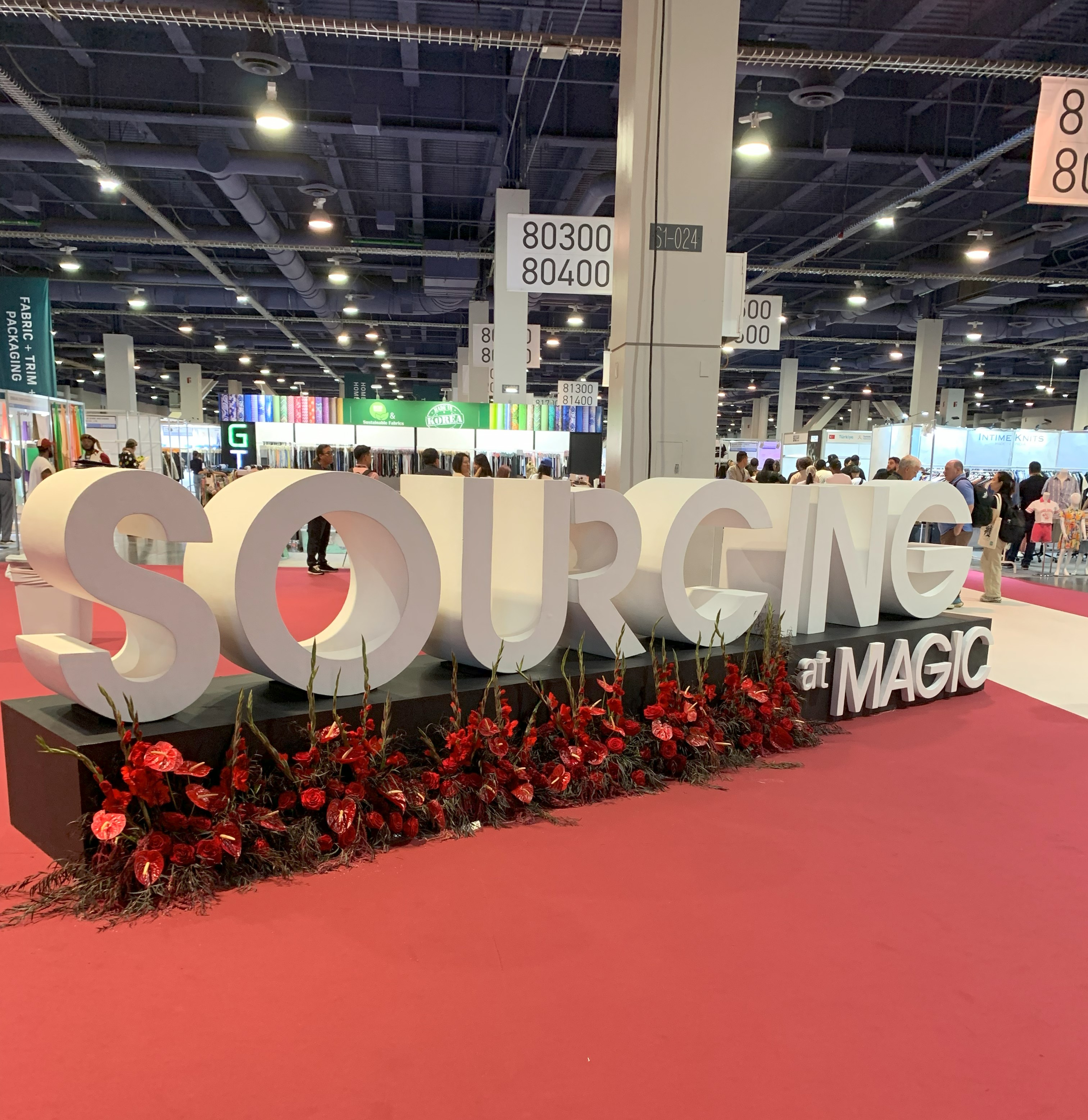
The latest Sourcing at MAGIC, one of the largest and most influential fashion apparel trade shows in North America, was held from August 18 to 20, 2025 in Las Vegas. Drawing thousands of apparel manufacturers, textile raw material suppliers, brands, and retail buyers from over 30 countries around the globe, the event provides a unique opportunity to observe the latest U.S. apparel sourcing trends and market sentiment.
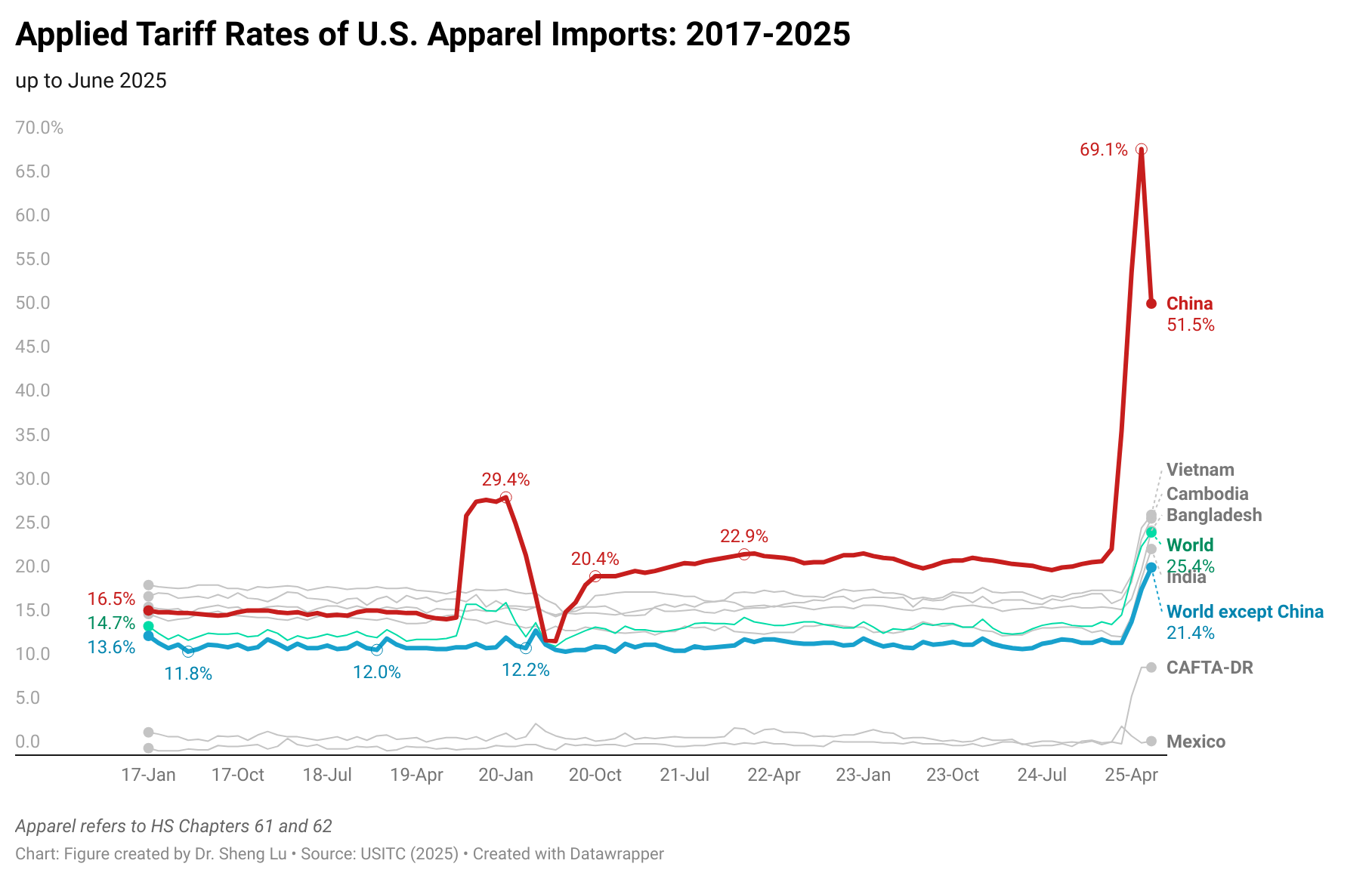
Aligned with the results of the 2025 Fashion Industry Benchmarking Study released by the United States Fashion Industry Association (USFIA), the hiking tariffs imposed by the Trump administration and ongoing policy uncertainty were among the top concerns for MAGIC attendees. One major tariff impact often heard at the MAGIC show was the growing inflationary pressure. It was a prevailing view among vendors, brands, and retailers that a price increase had begun and would become even more noticeable to U.S. consumers in the upcoming months. Some also argue that “tariff is no longer a sourcing problem,” but how brands and retailers should handle their “profit margin, product assortment, and pricing.”
Meanwhile, apparel suppliers care significantly about the additional “reciprocal tariff” rates they face compared to their key competitors. For instance, a jeans supplier from Pakistan said they were relieved to see more order inquiries come in, as their Indian competitors faced significantly higher tariff rates threatened by the Trump administration.
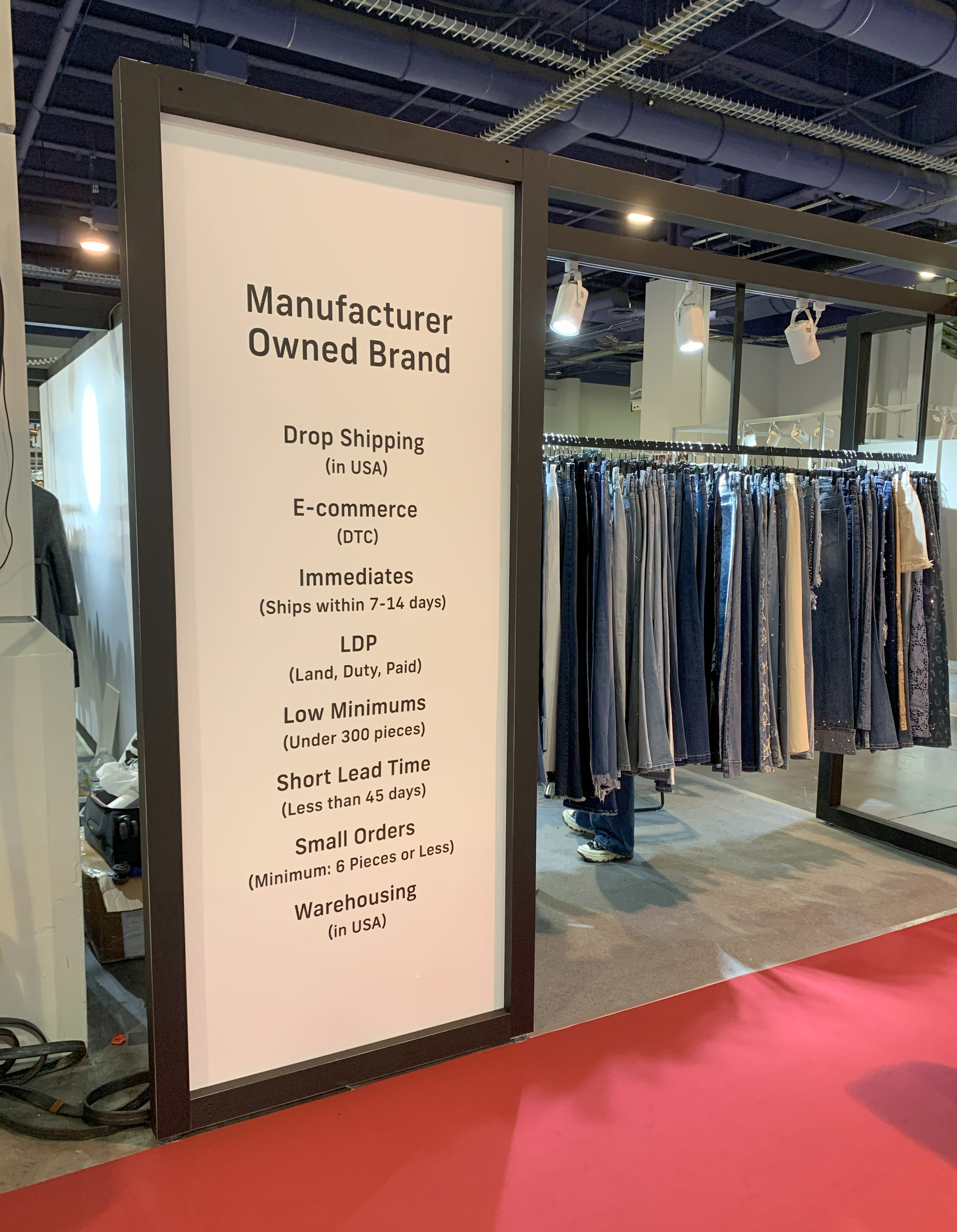
Still, nearly 600 exhibitors from China attended MAGIC, making it the largest delegation from any country. Two interesting phenomena revealed how Chinese suppliers try to stay competitive in today’s challenging business environment. One is to offer various value-added sourcing services beyond physical products. For example, there was a dedicated session at this year’s MAGIC show that featured Chinese manufacturers that provide services such as drop shipping (i.e., when a customer places an order, the retail store never physically handles the product. Instead, the manufacturer is responsible for inventory, packing, and shipping), director to consumer (DTC) e-commerce and warehousing. Meanwhile, some Chinese vendors accept small orders (i.e., 6 pieces or less) or low minimum orders (i.e., 300 pieces) and promise a short lead time of 45 days. In comparison, the minimum order quantity (MOQ) required by suppliers in other Asian and Western Hemisphere countries typically exceeds thousands of pieces.
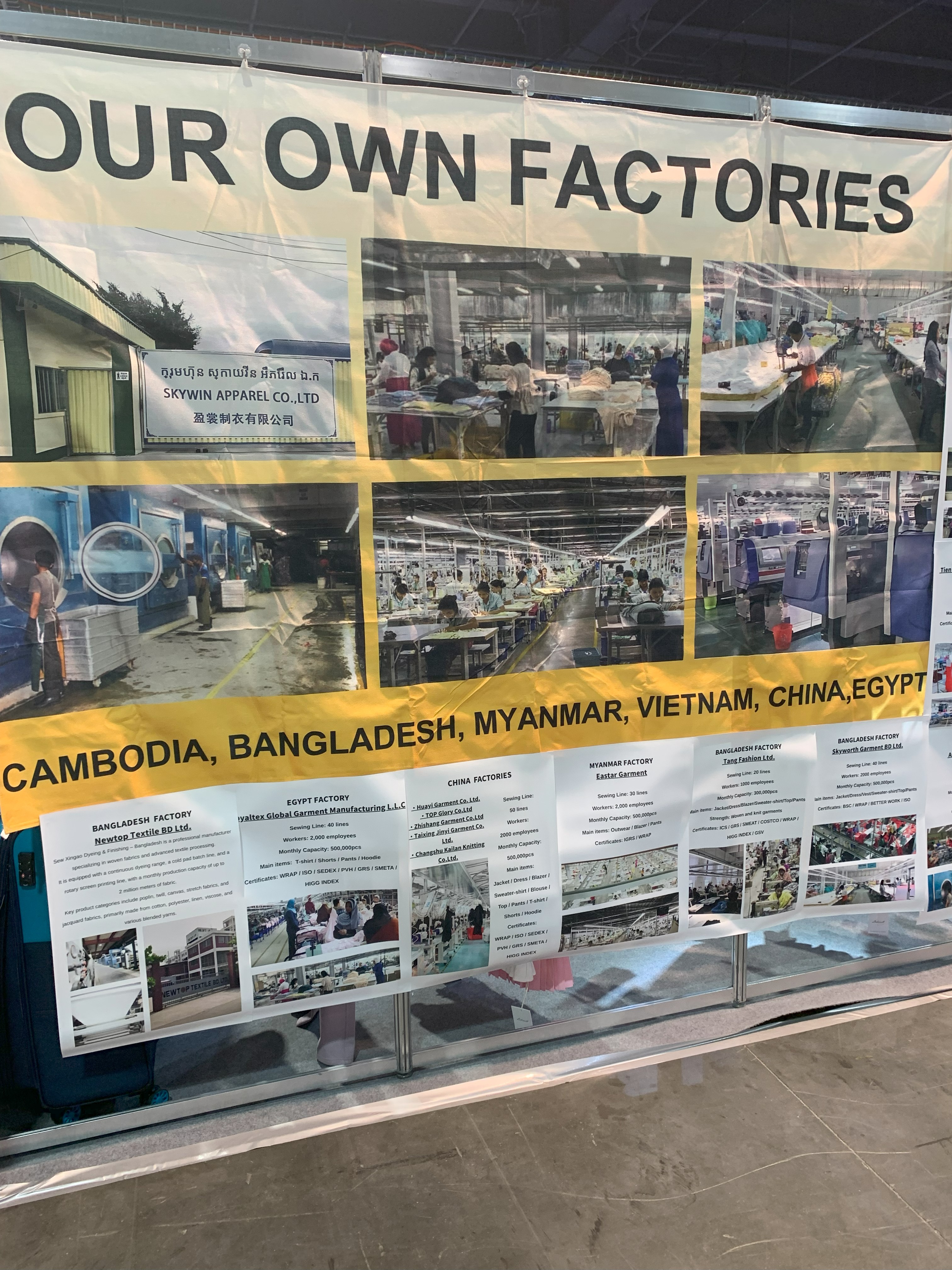
On the other hand, it is not uncommon to see that vendors from Bangladesh, Vietnam, Cambodia, or even Egypt and Ghana were actually owned by Chinese investors. Several Chinese factories purposefully highlight that they own factories across the world, from China and Southeast Asia to Africa. According to the USFIA benchmarking study, some U.S. fashion companies also prefer vendors with production capabilities in multiple countries to reduce sourcing risks.
As U.S. fashion companies continue to diversify their sourcing beyond the traditional top three—China, Vietnam, and Bangladesh—emerging destinations are increasingly optimistic about their U.S. export prospects. For instance, a supplier from Jordan noted that recent U.S. tariff hikes have boosted Jordan’s competitiveness, given the zero most-favored-nation (MFN) tariff under the U.S.-Jordan Free Trade Agreement and a 15% reciprocal tariff rate, which was lower than many Asian suppliers face.Jordanian suppliers speak highly of the capacity-building support from international organizations such as the International Trade Centre (ITC), particularly in areas like skills training and market intelligence.
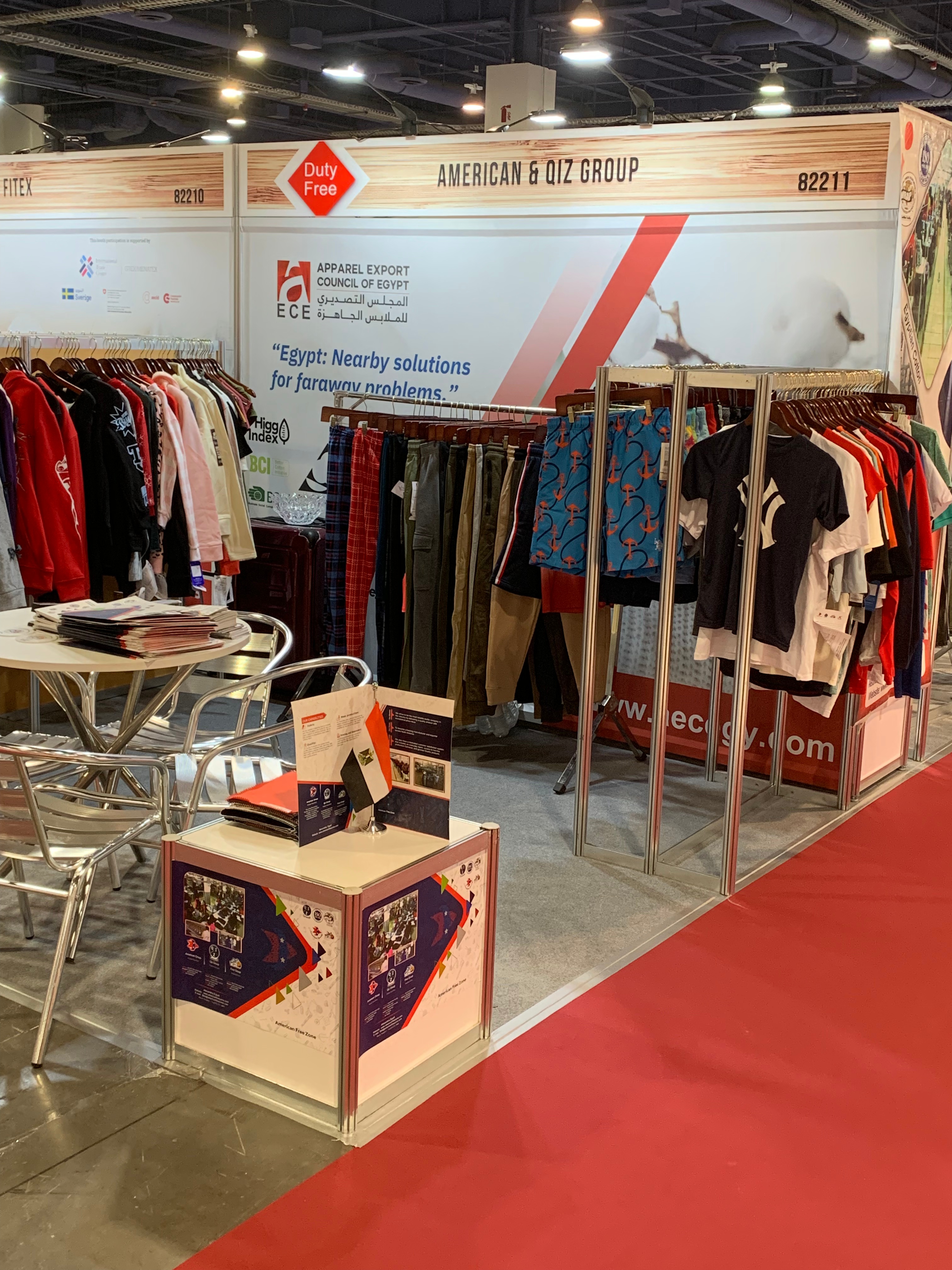
Similar to Jordan, Egypt’s apparel exports can benefit from a zero most-favored-nation (MFN) tariff, provided they meet the rules of origin under the Qualifying Industrial Zones (QIZ) initiative. However, unlike Jordan, suppliers from Egypt tend to specialize in cotton and other natural-fiber–intensive apparel, leveraging their advantages in producing locally made, high-quality natural textile fibers.
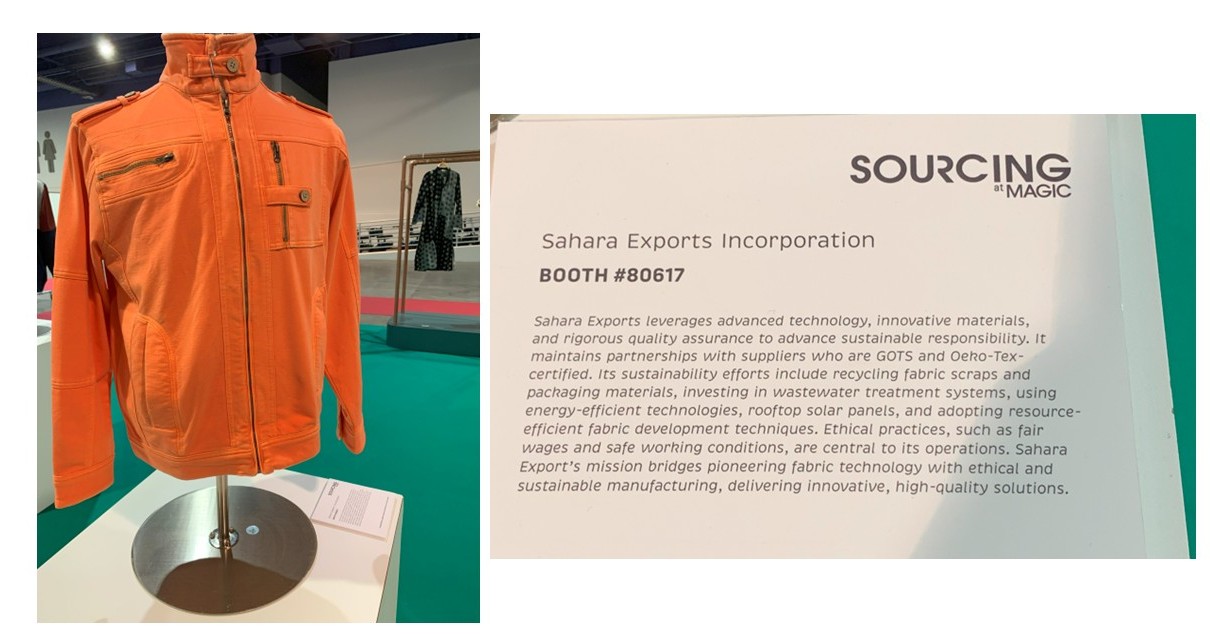
Clothing made from preferred sustainable fibers, particularly those incorporating recycled textiles, has grown increasingly popular. Nearly every country represented at MAGIC, including developing nations in Asia and Africa, showcased such products.
It should be noted, however, that producing clothing with sustainable textile fibers requires suppliers to obtain certifications such as GOTS (Global Organic Textile Standard), Global Recycled Standard (GRS), and Better Cotton Initiative (BCI). Although these certifications add costs, most vendors view sustainability as an opportunity to enhance export competitiveness rather than a threat in the long term. Some also mentioned that buyers were often willing to pay a premium for products made with sustainable materials, providing a significant financial incentive.
On the other hand, achieving sustainable sourcing and production is becoming increasingly comprehensive, requiring continuous innovation in both technology and business models. For example, at the show, some vendors showcased apparel products that integrated multiple sustainability concepts, ranging from material development and eco-design to social responsibility and post-consumption solutions.
by Sheng Lu
 FASH455 Global Apparel & Textile Trade and Sourcing