Moving from “Made in China” to “Design in China”

If you still treat China simply as a low-cost apparel manufacturing workshop or linger on those scenes in the documentary China Blue (produced in 2005), the following story may be a “shock” to you.

During my visit this summer to the Shanghai Silk Group, I was very impressed by how quickly this decades-old company has fundamentally changed its business model, moving away from manufacturing in the past to ambitiously engage in apparel design and branding functions as of today. This is what a 21st century China apparel company actually looks like:

1

Above: The Shanghai Silk Group displayed its indigenous brand “Lily” .

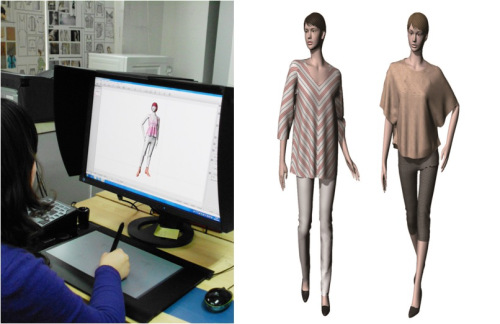
2

Above: A designer is working on a 3D model @ the Shanghai Silk Group.  Each year, the design department of the company will launch around 2,000 new product lines with indigenous intellectual property right.

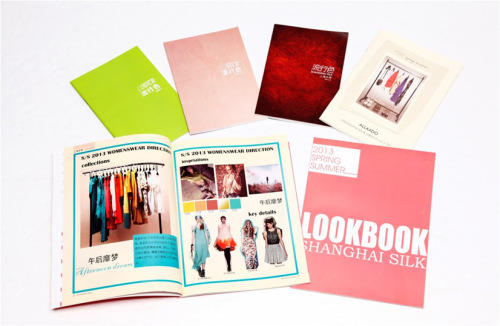
12

Above: Product booklet of the Shanghai Silk Group. 2 issues/ year.

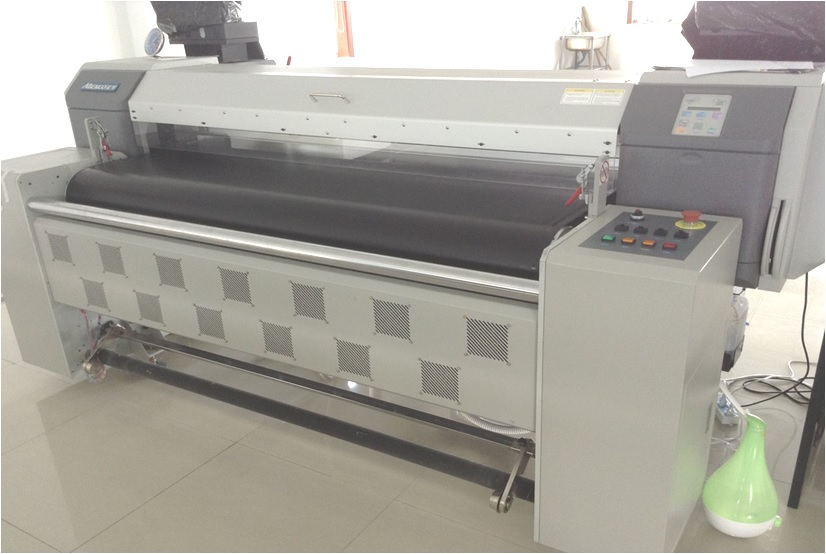
digital

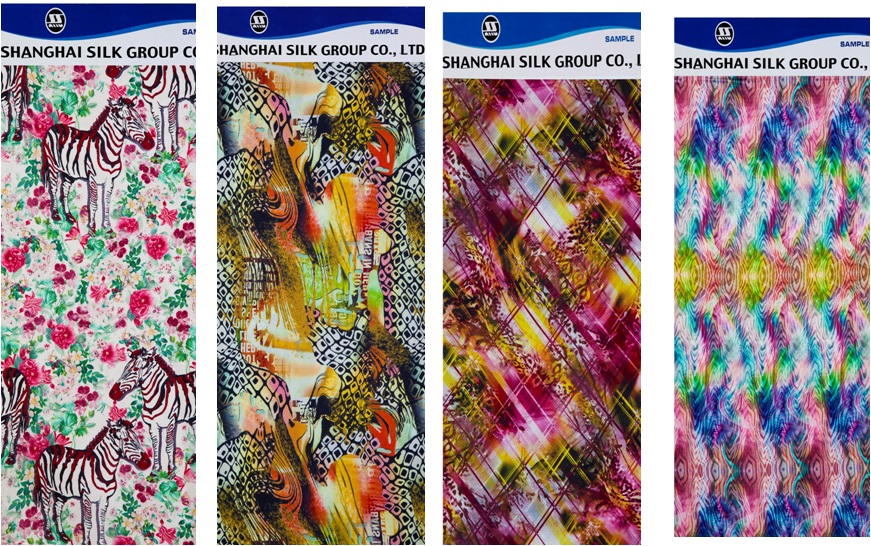
Above: To strengthen the design capability, the company purchased the digital printer which can directly print patterns on silk fabrics.

pattern

Above: Digital printing silk products of the Shanghai Silk Group

91

Above: The pattern making and draping team is equipped with the latest Lectra system

5

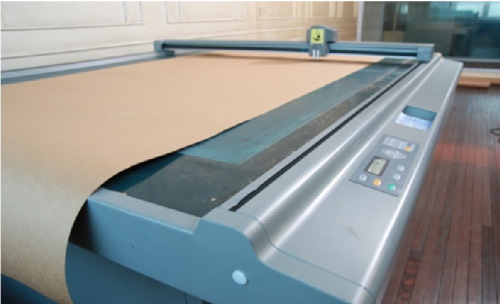
Above: To improve efficiency and productivity, the company also uses automatic fabric cutting machine (made in Japan)

10

Above: Computer-controlled knitting and weaving machines (making samples)

Besides the modern equipments & technologies, the emergence of the “design in China” phenomenon is also underpinned by the increasing supply of skilled talents in the country. Fashion design education is booming rapidly in China in recent years and improving in quality as well. Just in Shanghai alone, a dozen colleges are offering fashion design programs nowadays. For example, the Donghua University (the former China Textile University, where I graduated from) enrolls a total 255 fashion design major freshmen in fall 2013.  The enrollment size could be doubled if also counting students enrolled in a dozen other international fashion programs jointly offered by the Donghua University and its partner schools from Japan, UK, France and the United States.

In terms of the curriculum, fashion programs in China typically provide students with more focused training on design and product development compared with the textile & apparel programs in the U.S.. (however, less merchandising and marketing related courses are offered due to the lack of experienced faculty). Thanks to the sponsorship of the local apparel industry and the growing investments made by the university, students are able to learn WITH the industry-standard technologies, ranging from the CAD system, product lifecycle management software, automatic fabric cutting system to 3D body scanner.  Provided with the 21st century perspectives and skills, these future Chinese fashion designers will be globally competitive. (you may click here for pictures of students’ design work displayed at the 2013 Fashion Week hosted by the Donghua University)

Above: Chinese students are taking the draping class.

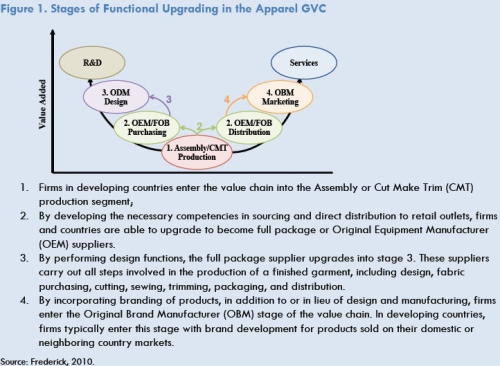
However, the changing face of China’s apparel industry is neither a surprise nor an exception.  As suggested by Dr. Gary Gereffi at the Duke University, one of the world’s most distinguished scholars studying the governance of global apparel value chain (GVC), the apparel industry in a country will gradually upgrade following the path of CMT (cut-make and trim)–OEM (the original equipment manufacturing)–ODM (the original design manufacturing)–OBM (the original brand name manufacturing).

22

To FASH majors: are you ready to compete with “design in China” ? What would be your advantages and disadvantages, opportunities and threats?

China and the US Economy: Advancing a Winning Trade Agenda

figure 1figure 2figure 4figure 5

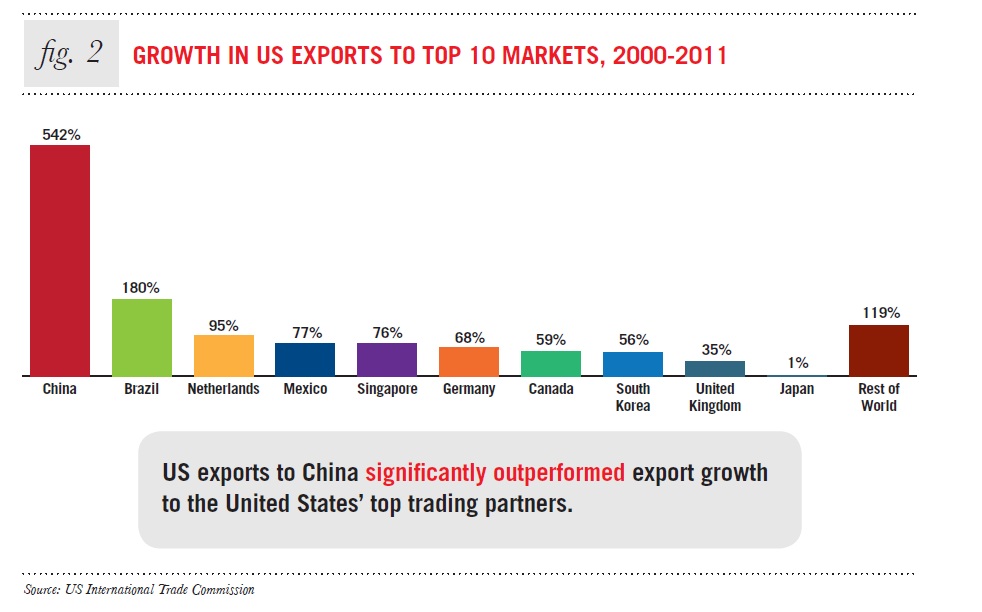
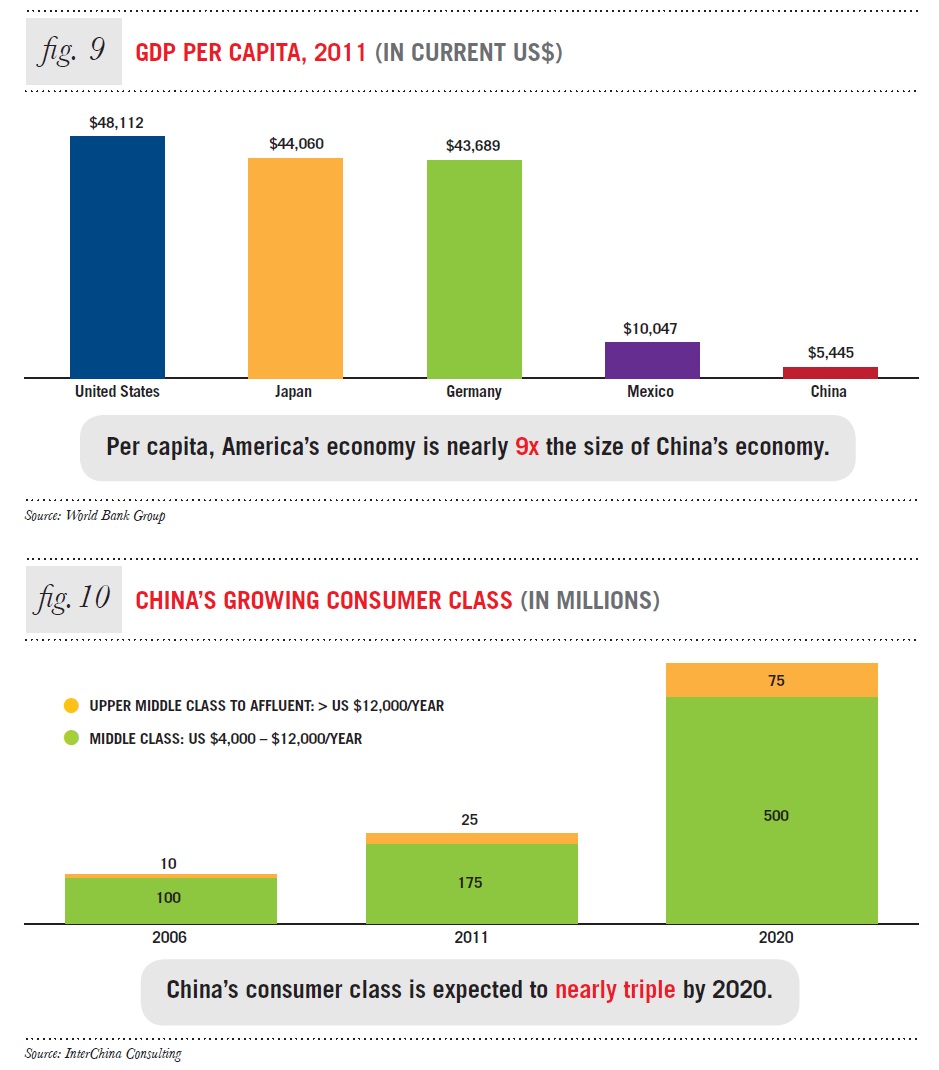
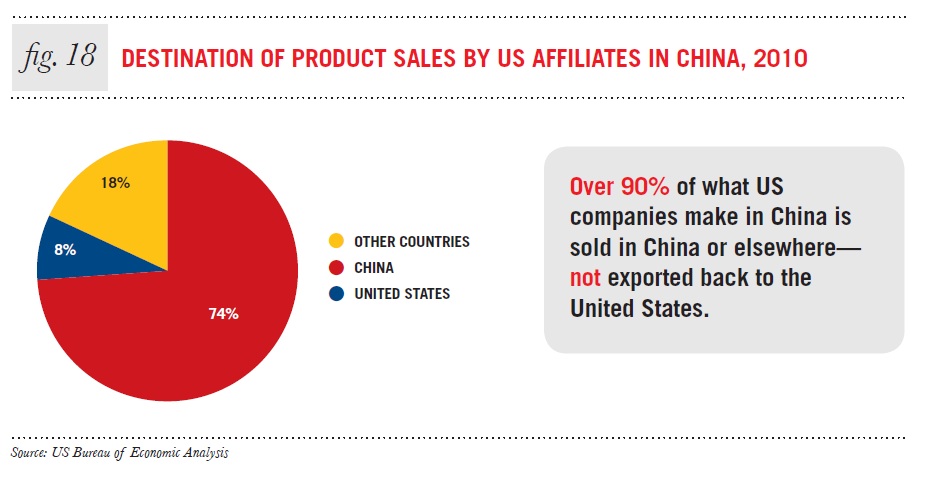
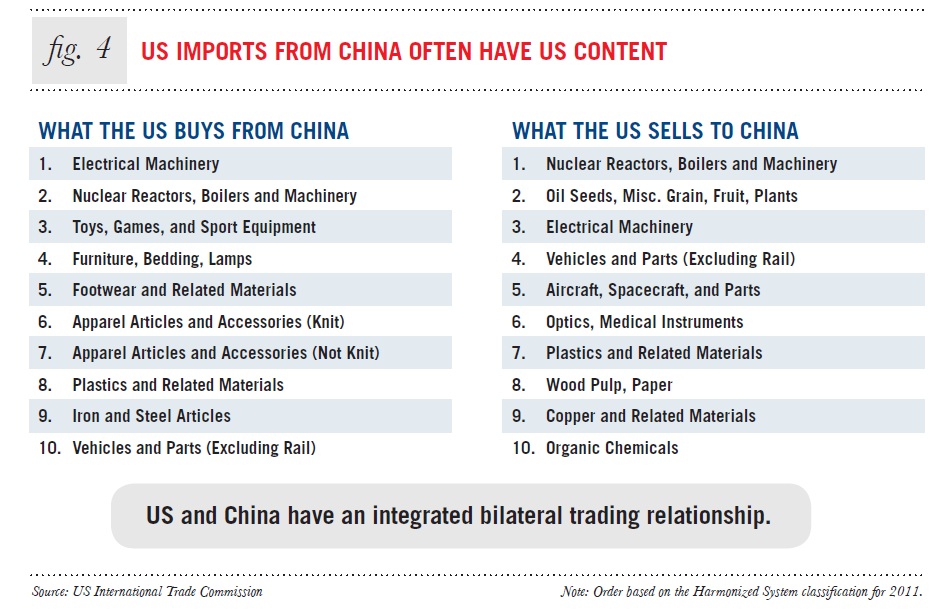
Last week in class, we discussed what globalization means and why international trade happens. This latest research report released by the U.S.-China Business Council (USCBC) on the U.S.-China commercial relationships provides latest evidence showing how the world two largest economies are interdependent with each other and mutually benefit from such a close trade partnership.  The report also highlights several key facts about the U.S.-China trade relationship, which often time is misunderstood by the general public.

Full text of the report is available at:

https://www.uschina.org/info/trade-agenda/2013/uscbc-trade-agenda-report.pdf

China’s textile and clothing firms expand in Africa

Faced by rising labor cost, China has started thinking about “going globle” for its T&A sector: not product, but capital.

From Just -Style:

“According to William Gumede, a senior research fellow at the University of Witwatersrand’s school of public and development management in South Africa, Chinese domination of Africa’s textile markets and its industry has promoted significant job losses.

“For instance in South Africa, employment in the textile industry dropped from 300,000 workers in 1996 to 120,000 in 2010,” says Gumede when reached for comment by just-style.

And the situation is worse in Nigeria where the country has seen its once burgeoning US$1.3bn spinning industry in disarray, with Chinese cheap fabrics being highlighted as the culprit.

“Since 1995, over 175 textile manufacturing factories have shut down, leaving more than 250,000 workers jobless,” says Jaiyeola Olanrewaju, the director-general of the Nigerian Textiles Manufacturers Association.

And there is concern that some Chinese producers are not playing fair – being accused of mimicking African textile trade marks and unique designs.

“In order to compete favourably, African governments must stop [the] influx of counterfeit and smuggled textiles,” says Dr Walid Jibrin, the chairman of the Northern States Chapter of the Nigerian Textiles Manufacturers Association.

He identifies African prints, shirts, fine wax print textiles, unique Guinea brocades and lace embroideries as examples of African designs and textile trade marks being copied on cheap Asian fabrics and dumped in West Africa.

“The counterfeits have destroyed the handmade traditional textile industry in Nigeria, Ghana, Ivory Coast and Guinea,” says Dele Hunsu, the president of the National Union of Textile Garment and Tailoring Workers of Nigeria.

AGOA’s preferential access
But probably the most devastating effect of the Chinese textile industry on sub-Saharan Africa’s economic growth is its ability to piggy-back on the US’s year 2000 African Growth and Opportunity Act (AGOA).

Chinese firms have benefited from the region’s preferential access to the US by establishing Chinese-owned subsidiaries in the region. AGOA of course creates a trading advantage for sub-Saharan Africa’s textile industries to access the United States market.

According to Ms Ciliaka Millicent Gitau, a lecturer at the University of Nairobi’s School of Economics, its success was rapid but short-lived. By 2005, many Chinese companies had established subsidiaries in countries including Ghana, Kenya, Lesotho, Madagascar, Malawi, Mauritius, Namibia, Nigeria, Tanzania and South Africa.

“The issue is that AGOA did not have rules of origin that would have curbed transhipment of the Chinese textile commodities,” said Gitau who is an expert on the emerging Sino-Africa geo-politics and trade relations.

The result has been local African clothing and textile companies closing, unable to compete with Chinese firms’ aggressive export-oriented tradition, low production costs and technological superiority.

And while AGOA has been extended to 2015, Chinese clothing makers in sub-Saharan Africa will continue exporting more textiles to the US at the expense of African companies.

“In essence, in the last two decades, China has placed itself in a strategic position to reap benefits from sub-Saharan Africa, not only in the textile industry but in other sectors as well,” says Gitau.

New sales opportunities
And Chinese manufacturers are in no mood to pull back. With weakening demand in Europe and the US since the financial crisis, plus continuing disputes at the World Trade Organization (WTO) with key mature market trading partners, China’s clothing and textile industry wants to diversify its sales.

From January to August 2012, China Customs figures show textile and apparel exports to the European Union (EU) dropped 14.4% year-on-year to US$32.02bn, while they rose 12.2% to US$9.82bn to Africa.

“We have got lots of inquiries from clients in Africa recently. They are less demanding, and some of them are happy to accept our private brands,” says a director at a Shanghai clothing manufacturer who so far has been supplying the EU, US and Japanese markets.

“There are many economic communities in Africa, which allows us to enter other African countries easily once we are in one of the community countries. We would like to look into the African market,” she adds.

Other Chinese manufacturers are using Africa as a hassle-free, alternative way to access the US and EU markets.

“In Ethiopia, we rent a plant and hire local workers make clothing for clients in the US and EU,” says a business manager at a Shandong province-based textile firm, who stresses that the African Growth and Opportunity Act offers companies such as his legal opportunities to access the US market.

And Chinese companies continue to see Africa not only as a huge market for export, but also a possible place for massive investment.

For example, in August, China Garments, a Beijing-based former state-run manufacturer, announced it will invest about US$29.7m in Zimbabwe to form a joint venture with the Cotton Company of Zimbabwe. The JV is expected to be a major cotton supplier of China Garments.”

Re-shoring US apparel making tough but not impossible

This recent comment from Just-style argues that re-shoring U.S. apparel manufacturing may become likely given China’s quickly rising labor cost. However, another two points mentioned by the article deserve more attention: one is that in order to make “made-in-USA” apparel competitive, industry leaders believe that tariffs and trade barriers on imported yarns and fabrics need to be much lowered. The question is, how realistic this “goodwill” can become true, considering the attitude of the US textile sector on the matter and their political influences. Second, although there might be some demands for sewing jobs in the U.S., these occupations are very low paid. The article admits that except immigrant, propably few Americans today (even those unemployeed) would like to take them (and have the qualified skills).  Then, does re-shoring really matter for college graduates in the fashion apparel program?  

To read the full article, click here

The Environmental Cost of “Made in China”

Below, on the right is a textile dyeing mill in Zhejiang Provience, China

Comparative Advantage: The boomerang effect

Comment:

This article from the Economist echoes some recent arguments that with China’s rising wages, manufacturing jobs could move back to the developed countries. The article says that: “for some manufacturers low wage costs are becoming less important because labor represents only a small part of the overall cost of making and selling their products.”

However, such view is questionable. If labor cost only accounted for a minimum proportion of the total production cost, why would firms care about the rising labor cost?  Also, more and more products made in China are sold locally today rather than shipped back to the US or  other developed markets. Therefore, for many sectors (such as softgoods) despite the rising labor cost, leaving China is not always a workable option.