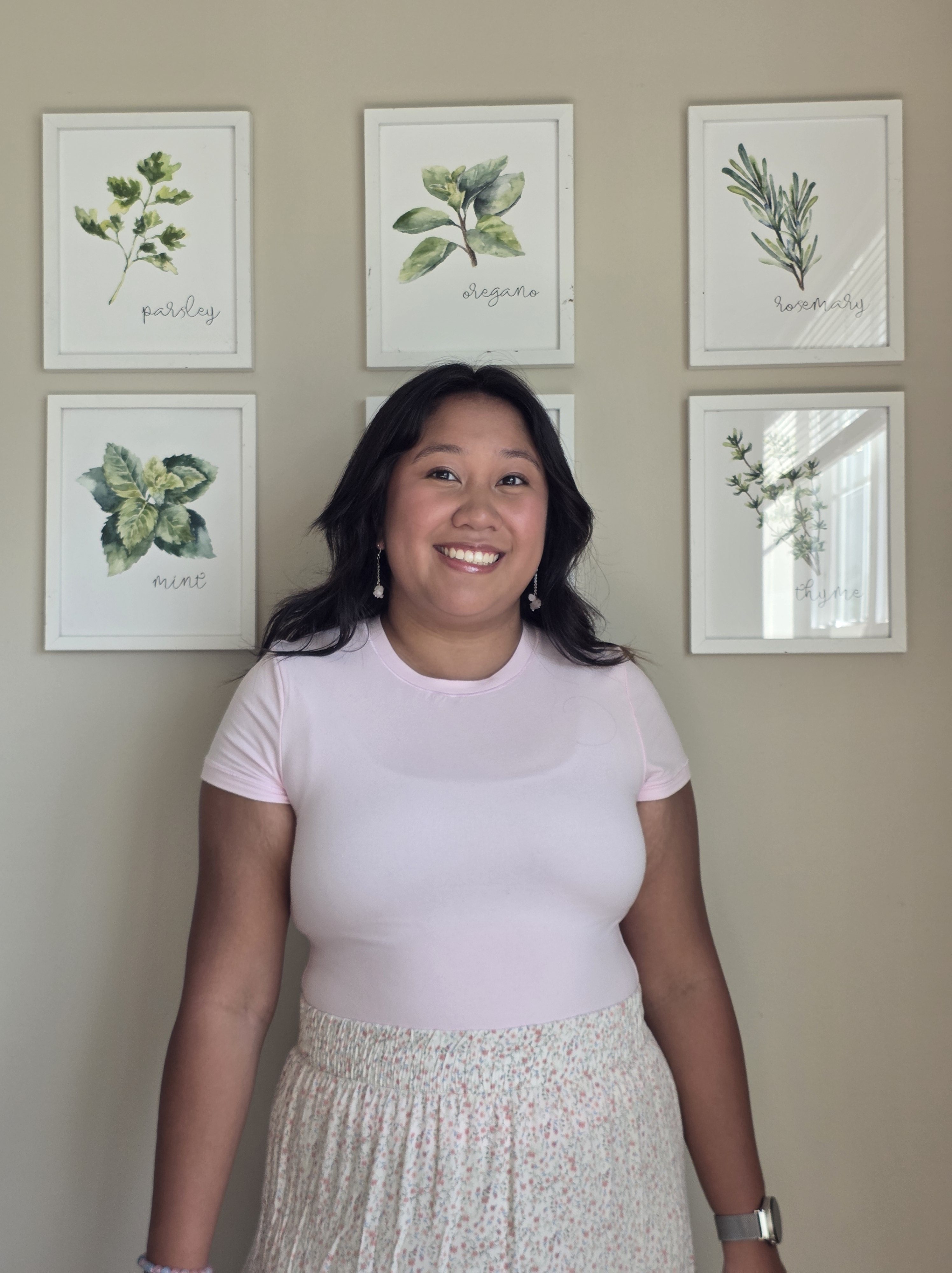
FASH455 Exclusive Interview with Mariel Abano, Associate Materials Manager at Kohl’s, about Materials Sourcing and Management

About Mariel Abano

I am an Associate Materials Manager at Kohl’s, overseeing Active and Kids Knits. My interest in fashion business began with a desire to build a career that engaged both my analytical and creative sides. I began college as a Chemistry major, but after my first semester, I realized I wanted to pursue a field that would let me combine my analytical strengths with my passion for creativity and product. I earned a BS in Fashion Merchandising & Management from the University of Delaware, with minors in Sustainable Apparel & Textile Innovation and Business Management. Today, I execute global materials sourcing strategies for Kohl’s Private and Exclusive brands, delivering optimal supply chain value across quality, cost, speed, and on-time delivery. I am detail-oriented and technically proficient, with particular strengths in cost analysis, Excel, and process optimization.

My prior experience as a Sourcing Coordinator helped sharpen my skills in negotiation, data accuracy, and resourcefulness in fast-paced environments. Together, my work across Sourcing and Materials has given me a global perspective on sourcing strategy, from fabric to finished garment, while keeping me closely connected to both the product and the analytical side of the business. I apply this perspective to collaborate cross-functionally, make data-informed decisions, and ultimately deliver the best possible product for the Kohl’s consumer.

Disclaimer: The views expressed in this interview are those of Mariel Abano and do not reflect the views or positions of her employer or any affiliated organizations.

Sheng: Can you briefly share your career path since graduating from UD? What was your first job after graduation, what different roles did you take on before your current position as a Material Manager, and what were some of the most important career transitions or experiences along the way?

Mariel: My career began as a Sourcing Coordinator, and the role provided a strong foundation in adaptability and working effectively in a fast-paced environment. Within my first year, I worked under three different managers and experienced several scope changes, beginning with woven bottoms and jackets, expanding into outerwear, and eventually growing further through a reorganization that placed me over all our NY brands for all wovens. This period was instrumental in building my technical skill set, particularly in negotiation, cost analysis, Excel, and process optimization. At the same time, I learned how to navigate change quickly while maintaining attention to detail and staying focused on execution.

As my scope expanded, I also gained valuable experience working with cross-functional teams that were not physically located in the same office, including teams in New York. Without being able to walk over to a colleague’s desk to discuss an issue or gather context, I needed to be more intentional about how I communicated and built relationships. I learned to over-communicate rather than under-communicate, ask clarifying questions early, and create strong virtual partnerships that still felt personal and collaborative. This experience reinforced the importance of investing in cross-functional relationships, particularly when working across distance and different functions. After a year and a half of navigating significant changes and developing these skills, I was promoted to Associate Materials Manager. This transition brought another opportunity to grow, as I moved into the materials team and shifted my focus from wovens to knits, expanding my expertise and allowing me to take on a new set of responsibilities within the sourcing organization.

Sheng: What are your main responsibilities as a Materials Manager for Active and Kids’ Knits at Kohl’s? Could you walk us through what a typical day or week looks like? What aspects of your role do you find most interesting or rewarding?

Mariel:As an Associate Materials Manager at Kohl’s, I serve as the primary point of contact for our mill partners, overseeing seasonal fabric costing and leading fabric development from concept through execution. I work closely with Design and Production to develop materials that support our fabric strategy, consolidation initiatives, and product newness, while also maintaining both physical and digital fabric libraries that help our cross-functional teams leverage existing qualities and stay ahead of trends and innovation. A key part of my role is building strong mill partnerships and ensuring materials meet our expectations for cost, quality, agility, and sustainability. I also bring market intelligence and mill capabilities back to the team to help inform partner selection and ensure we are positioned to execute our product strategies effectively.

Beyond fabric development, I help execute materials sourcing strategies that balance cost, quality, speed, and lead-time objectives while supporting the broader garment sourcing strategy. This includes contributing to seasonal and long-range mill strategies, as well as managing service-level terms, consumption charts, and inventory risk. I also work closely with our mills to ensure we meet cost, quality, and delivery standards, and I serve as a key liaison between Sourcing, Design, Production, QAPI (Quality Assurance and Performance Improvement), and external partners to keep programs moving forward. In addition, I support Kohl’s sustainability initiatives, maintain systems and reporting tools, and contribute to training and process improvements that strengthen how our team documents information, communicates across functions, and uses data to make informed decisions.

What I find most rewarding about my role is the balance between the product and analytical sides of the business. Being involved in fabric development keeps me closely connected to the product and lets me see how materials evolve from an initial concept into the finished garment, while costing lets me leverage my analytical skills and evaluate the numbers behind those materials. I really enjoy being able to use both sides of my skill set and seeing how they come together to support strong product and business decisions.

Sheng: How is your role as a Material Manager different from other functions such as sourcing, buying/merchandising, production, and product development? How do you collaborate with these different teams in your work? In what situations or stages of the product development process is close collaboration particularly important? Could you share an example of a project or situation where effective collaboration among these teams was critical to achieving the desired product, cost, quality, or production outcome?

Mariel:The Associate Materials Manager role is closely aligned with Sourcing, with the key distinction being the level at which we operate. Materials focus on the fabric level and work directly with (textile) mills, while Sourcing focuses on the garment level and partners with vendors. The two teams work closely together to execute Materials and Sourcing strategies and achieve our shared goals. Materials also has an additional research and development (R&D) component that Sourcing does not, which allows us to work especially closely with Design and Production. When developing or re-sourcing a fabric, we need to ensure that the Design intent is maintained while also meeting the cost and lead-time expectations established by Production. While Materials does not work directly with Merchandising, merchants ultimately make the final decisions on what gets purchased, so understanding their timelines is also important. When planning fabric commitment timing, we need to ensure merchants have enough time to make those decisions, particularly when mills require unit projections or longer-range fabric commitments. Materials works closely with Sourcing, Design, and Production to identify opportunities to manage costs while balancing quality, product, and customer expectations.

Sheng: What are some of the most important or unique challenges you face when working with materials for activewear and kids’ knit products? What technical knowledge or skills are particularly important for succeeding in your role?

Mariel:For active products, the primary challenge is ensuring the fabric delivers the performance the product is intended to provide. This requires a strong understanding of technical finishes such as moisture wicking, quick-dry, and chlorine resistance, as well as fabric characteristics such as stretch and recovery, breathability, and pilling resistance. It is not enough for a fabric to simply look or feel right. We also need to understand how it will perform in its intended use. Because of this, one of the most important technical skills in my role is interpreting fabric testing reports, understanding how different fabric constructions and finishes impact performance, and identifying what adjustments may be needed to achieve the desired result.

For Kids products, print execution is a critical part of the fabric development process, so having a strong understanding of different print techniques and how they perform across various fabric constructions is essential. Fabric performance is equally important, particularly hand feel, durability, and pilling, and achieving the right performance requires understanding how fabric finishes, material content, and fabric construction work together. Children value comfort and are more active, which makes these considerations especially important for Kids. Ultimately, succeeding in my role requires a combination of technical fabric knowledge, analytical skills, and a strong understanding of our mill capabilities. Being able to evaluate a fabric not only by how it looks and performs, but also by how efficiently and competitively it can be produced, allows us to make the right sourcing decisions for each category.

Sheng: Looking back on your time at UD and in FASH, what courses or experiences have been most useful in preparing you for your career? For students who are interested in careers in apparel materials, product development, or sourcing, what technical and professional skills would you recommend they develop? What advice would you give students about preparing for their first job and standing out during the recruiting process?

Mariel:Looking back on my time at UD, several courses played an important role in preparing me for my career. FASH 210 (Seminar on Fashion and Sustainability) sparked my interest in sustainability and ultimately led me toward Materials, since so much of sustainability starts with understanding what a fabric is made from. FASH 215 (Fundamentals of Textiles I) and FASH 220 (Fundamentals of Textiles II) helped build my foundation in textile knowledge, which remains highly relevant to my Materials work today. FASH 218 (Introduction to Fashion Business), FASH 330 (Merchandise planning), and FASH 490 (Strategic Fashion Management) helped me understand a brand or company’s purpose, the importance of identifying white space, and the need to understand your target customer. FASH 455 (Global apparel sourcing and trade) was particularly valuable in solidifying my interest in Sourcing while also giving me a broader global perspective. Each of these courses helped build a different part of my foundation and gave me knowledge that I continue to apply in my career today.

For students interested in Materials, Production, or Sourcing, I would recommend developing a strong combination of hard and soft skills. Textile knowledge is important for Materials, but having a basic understanding of textiles is also valuable in Production and Sourcing. Excel is another essential skill for Sourcing and Materials. I use pivot tables every day, and Excel is a critical tool for cost analysis, organization, and negotiation. Strong collaboration and prioritization skills are also key in this industry.

Apparel is fast-paced, and adapting quickly requires strong relationships with cross-functional partners and the ability to manage multiple priorities at once. I would also encourage students to develop strong problem-solving skills. Many technical skills can be taught on the job, but being able to approach a challenge, ask the right questions, identify potential solutions, and follow through is extremely valuable. When preparing for my first job, I would focus on demonstrating curiosity, a willingness to learn, and the ability to take initiative. During the recruiting process, students should focus on showing not only what they know, but how they think, solve problems, and approach unfamiliar situations. Those qualities show that you are someone others can rely on and that you are prepared to contribute from day one.

–The End–

FASH455 Exclusive Interview with Hannah Laurits, Fabric Lab Textile Coordinator at Swim USA, about Fabrics and Apparel Sourcing

About Hannah Laurits

Hello! My name is Hannah Laurits, and I am currently working as a Textile Lab Fabric Coordinator at Swim USA. I graduated from the Master of Science program in Fashion and Apparel Studies at the University of Delaware in 2024. Through the program, I had the opportunity to work on various research projects, ranging from adaptive apparel to sustainable textiles. During my time at UD, I also had the privilege of teaching Fash133 Foundations for Fashion Innovation, which was an incredibly rewarding experience.

In addition to my master’s degree, I hold a Bachelor of Science in Apparel Design and Fashion Merchandising from the University of Delaware. Throughout my academic journey, I completed internships related to textiles and sourcing, which played a significant role in shaping my career and led me to my current position at Swim USA. I am passionate about the intersection of textile innovation, sustainability, and sourcing, and I’m excited to share insights from my experiences in the industry.

Disclaimer: The views expressed in this interview are those of Hannah Laurits and do not reflect the views or positions of her employer or any affiliated organizations.

Sheng: What are your main responsibilities as a fabric lab textile coordinator? What does a typical day look like? Which aspects of the job do you find particularly interesting or unexpected before taking on the role?

Hannah: As a Fabric Lab Textile Coordinator, I work to ensure that the fabrics that go into our products meet both our internal quality standards as well as the standards of our customers and the global textile industry. In the lab, we mainly focus on quality control, which includes ensuring that the fabrics we use in production meet specific quality standards.

In my role, a typical day may include visually and/or digitally reviewing colors to ensure that they align with our established standards. Additionally, each day consists of a variety of testing and analysis of results to ensure that they meet brand requirements. I also assist with raw materials development, particularly in the areas of color and fabric testing for various brands. One key aspect of my work is analyzing testing data to identify risks, areas for improvement, and potential delays in production. The best part of my role is the variety of tasks I’m involved in, the opportunity to work on multiple brands, and the extensive cross-functional collaboration I get to participate in. From color matching and testing to analyzing data and working directly with various teams, no two days are ever the same. The level of collaboration across departments has been extremely helpful, allowing me to learn from different areas of the business and broaden my skill set.

Sheng: In general, what factors should be considered when selecting fabrics in product development and apparel sourcing?

Hannah: When selecting fabrics for product development and sourcing, there are many factors to consider, including but not limited to cost, quality, durability, color and dyeing process, fiber content, intended use, sustainability, lead times, availability, and compliance with regulations. In my role, understanding the fabric composition, color, and dyeing process, as well as the intended final use is essential. Different fibers and dyestuffs have inherent properties that can affect the fabric’s appearance and colorfastness, so it’s crucial to understand how they will perform in the final product. This knowledge helps determine whether achieving a specific color while maintaining the desired quality is feasible. By carefully considering these factors, we ensure that the product meets both aesthetic and performance standards.

Sheng: Part of your job involves testing fabrics. What needs to be tested, and what are the main issues involved in the quality control of fabrics?

Hannah:A large part of my role involves testing fabrics to ensure they meet the required standards. There are a variety of tests that need to be completed, and they generally fall into two main categories: color fastness and physical properties. Color fastness testing is conducted to ensure that the fabric retains its color and/or does not run when exposed to various factors, such as washing, sunlight, or exposure to chlorine. Physical property testing helps ensure that the fabric will meet the required performance standards. This includes testing for qualities like weight, stretch, and dimensional stability. These tests are essential to make sure the final product fits well and performs as expected for the consumer.

Sheng: From your observation, how has sustainability impacted the selection and sourcing of textile materials for fashion companies? How is “sustainability” assessed for fabrics? What emerging trends are worth watching?

Hannah: Sustainability is a major focus in the textile and apparel industry, continuously evolving and shaping how fashion companies approach textile research, development, and sourcing. There is a noticeable shift towards prioritizing eco-friendly materials and minimizing environmental footprint. Sustainability can be assessed in many ways in fabrics throughout a fabric’s entire lifecycle – from raw material sourcing to end-of-life disposal. It is important to consider not only the environmental impact but also the social and ethical aspects of fiber cultivation and fabric production, ensuring that workers’ rights are also prioritized. From what I have observed in the market, the most accessible and widely adopted sustainable fabrics tend to be recycled, organic, or plant-based materials. However, there are many other emerging trends worth watching. These include waterless or low-water dyeing technologies, eco-friendly finishes and treatments, regenerative agriculture, and innovative fiber development

Sheng: Following up on the previous question, is it true or a myth that sustainable fabrics are typically more expensive and increase production costs? If so, how can companies balance sustainability with cost-effectiveness?

Hannah:While sustainable fabrics can sometimes be more expensive, it’s not always the case. Factors such as higher initial investments in sustainable technologies, costs of production, the smaller scale of production, and the costs associated with certifications can make sustainable fabrics more costly. However, it is still possible for companies to balance sustainability with cost-effectiveness. Sustainable practices often bring long-term benefits, such as risk reduction, improved durability, and increased brand value. Further, as more brands shift towards and invest in sustainable material innovation, we can expect these fabrics to become more affordable and available over time.

Sheng: Based on your experience, can you offer any advice to our students regarding preparing for a career in the fashion apparel industry? What could they do at UD? What is the benefit of getting a master’s degree in fashion and apparel?

Hannah: My advice to students is to get involved as much as possible. Internships are a great way to gain hands-on experience. If internships aren’t available, networking and learning from professionals in the industry are invaluable. At UD, there are numerous opportunities to take advantage of, like research projects, clubs, and career fairs to build connections and expand your knowledge. I have found that a master’s degree in Fashion and Apparel has provided me with a strong foundation which has helped me secure a career and be successful in the industry. I often find myself referring to course topics and key skills I learned in graduate school such as data analysis.

Additionally, if any students soon graduating are interested in Swim USA, below is information from our HR department on how they search for talent. “For entry-level roles, we typically use Handshake as a great way to reach upcoming graduates or recent alumni. I would advise them to register and look at opportunities there. If they haven’t already, they should also ensure their LinkedIn profile is up to date and has a nice professional picture. Start following companies that you might be interested in, like SWIM USA, to see new or open roles first. They are also welcome to follow our Swim USA careers page for more information.”

–The End–

FASH455 Industry/Internship Stories—Hannah Laurits, Haddad Brands

Hannah Laurits (second from the right) worked as a sourcing intern for Haddad Brands in New York City in the summer of 2023. In the picture, Hannah was visiting the company’s world class distribution center in New Jersey.

About Hannah Laurits

Hannah Laurits is a master’s student in the Department of Fashion and Apparel Studies (FASH) at the University of Delaware (UD). She also received her B.S. from UD & FASH with a double major in apparel design and fashion merchandising and management.

Hannah is passionate about adaptive clothing and making the fashion industry more inclusive and sustainable. She has participated in several related research projects, including working at UD’s Health and Innovation Lab and designing adaptive clothing for children with Down syndrome. Hannah’s master’s thesis explores U.S. retailers’ merchandising and business strategies for adaptive clothing. As a graduate instructor, Hannah teaches FASH133 (Foundations for Fashion Innovation), an important foundational course for FASH freshmen. Hannah is the recipient of the 2023 International Textiles and Apparel Association (ITAA) Sara Douglas Fellowship in recognition of her academic excellence and accomplishments.

During the summer of 2023, Hannah had the exceptional opportunity to work as a sourcing intern for Haddad Brands in New York City. Below, she shared her reflections on this incredible internship experience.

Question: What does a typical day look like during your sourcing internship with Haddad?

Hannah: Each day, I would enter Haddad’s beautiful Manhattan office and make my way up to my desk on the 10th floor, which was home to the design and sourcing departments. I had the opportunity to sit next to my mentor and assist her in her day-to-day tasks as a Fabric and Trim Research &Development (R&D) Manager. This often consisted of maintaining fabric/trim development digital and physical libraries, creating new fabric swatch headers, entering fabric/trim data in PLM, partnering with Product Development to establish fabric and trim codes for PLM, and analyzing new fabric developments. I also assisted in collaborating and developing fabrications, finishes, and trims with our supply chain by communicating feedback via internal emails.

One thing that  I really enjoyed was that each day consisted of working cross-functionally with the different teams. I helped prepare for and sit in on weekly fabric/trim development status meetings with the various Design teams where fabric/trim developments for the upcoming seasons were discussed and designers would make new fabric requests for their added styles. I also sat in on bi-weekly fabric/trim development status meetings with the Product Approval team to ensure the fabric samples from mills were up to standard for development. Here, I was able to help weigh in on fabrics and compare them to our standards to determine if they met our requirements or if they needed to be changed and how. Additionally, some days included meetings with various suppliers to discuss innovations in fiber, fabric, finish, and trim.

Being part of an internship that enabled me to perform meaningful work from day one, provided countless opportunities for personal growth, and exposed me to working with some of the most iconic global brands (e.g., Levi’s) was a truly fulfilling experience.

Question: Any major projects did you work on during your internship? What did you learn from the experiences?

Hannah:Each Haddad Legacy Intern was assigned and worked on a project for their department based upon a real business need. Based on my educational background and my passion for sustainability, my team outlined a project that would best fit. This involved researching innovative sustainable solutions and sourcing practices to further their sustainability efforts.

My research was not only conducted from outside sources but from internal ones as well. I felt an immense amount of support from all of the individuals who helped me accomplish this project and was excited to learn that they also are just as excited about sustainable practices as I am. At the end of the internship, each intern had the chance to present to senior management our individual projects. This experience taught me how to create a visually compelling presentation and relay large amounts of data concisely and effectively.

Question: What insights did you learn about the fashion apparel industry from the internship? For example, the key issues the industry cares about or the challenges it faces.

Hannah:From my internship experience, I was able to see firsthand key topics important to the fashion/apparel industry; specifically, two areas caught my attention.

First, sustainability and social responsibility. Consumers and investors are seeking more sustainable products and better practices from the brands they love. Considering this, sustainability-forward brands are focused on maintaining their high values regarding these areas and keeping their practices aligned with them.

Second, the fashion industry is constantly seeking innovative technology solutions, including in the sourcing and supply chain areas. Technology is evolving faster than ever, helping create efficient solutions to drive the fashion industry forward. Technologies such as 3D printing, AI, laser cutting, and more are being used to improve the industry in various ways such as trend forecasting, supply chain, and consumer experience, just to name a few. Even regarding sustainability, many fashion brands are investing in or actively exploring new technology solutions to help them develop a more sustainable and ethical supply chain and improve sourcing transparency, traceability, and accountability.

Question: How do your learning experiences at FASH help with your internship? Any specific knowledge or skill sets do you find most critical?

Hannah:FASH had a great influence on my decision to pursue a sourcing internship with Haddad Brands. It was through the UD & FASH department’s Fashion Career Meetup that I was able to connect with the amazing HR team at Haddad Brands and learn more about the company.

Specifically, it was FASH455 (Global Apparel Trade and Sourcing) that piqued my interest in the world of sourcing and provided foundational knowledge for my internship. Working in fabric research and development, on a daily basis, I referred back to key concepts from FASH215 (Fundamentals of Textiles I) and FASH220 (Fundamentals of Textiles II) on fiber, yarn, fabric, structures, color, and finish. Additionally, the FASH Social Responsibility and Sustainability certificate courses played a unique role in my experience, helping me bring a sustainability forward perspective into my internship and providing a solid background to further build upon for my internship project.

Furthermore, the FASH department at UD excels at providing students with extensive foundational fashion industry knowledge. Not only is the course curriculum excellent, but so is the faculty who goes above and beyond to help foster student’s education and build critical professional skills.

Question: What’s your plan after graduation?

Hannah:I am currently working on wrapping up my master’s program and am on track to graduate in May 2024. I am seeking a full-time role that allows me to have a hand in developing products that have a positive impact on people and the planet. Potential roles include sustainability, social compliance, sourcing, product development, and product line management related to fashion apparel products. While I am originally from Delaware, I am hoping to relocate to a city on the East Coast such as NYC, Philadelphia, or Baltimore. However, I am open to considering job opportunities and locations beyond this scope. As my graduation approaches, I am eager to begin my career in the fashion apparel industry.

Meanwhile, I am actively seeking winter and spring internship opportunities in the greater Philadelphia area or remote positions to enhance my professional development.

–END—